
Can AI Recognize Art?
Researchers from the Information Processing and Telecommunications Center (IPTC) at the Universidad Politécnica de Madrid (UPM), together with collaborators from Politecnico di Milano, Universidad de Valladolid and Universidad Antonio de Nebrija, have published a new study examining whether today’s AI systems can reliably identify the authors of paintings and distinguish genuine artworks from AI-generated imitations.
The research is part of the European SMARTY project, funded by the Chips Joint Undertaking (Chips JU), which supports the development of trustworthy and advanced artificial intelligence technologies in Europe.
The team evaluated six state-of-the-art Vision-Language Models (VLMs) using one of the largest datasets assembled for this purpose: nearly 40,000 paintings by 128 artists, complemented by AI-generated versions of each artwork created with three leading image generation models. The researchers also released the resulting dataset and an interactive visualization platform to support future research.
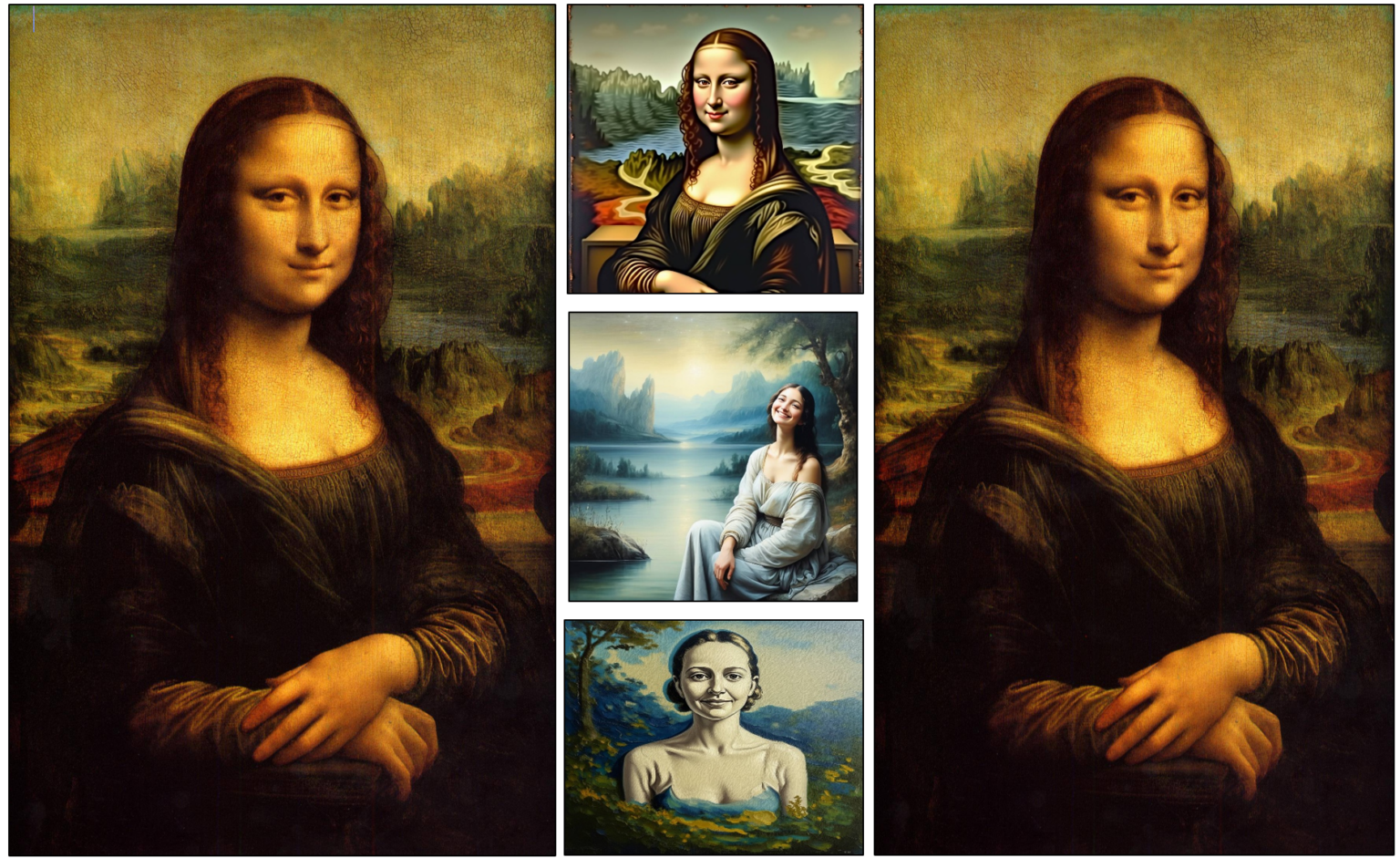
The results show that current VLMs still have significant limitations. Many models struggle to correctly identify the authors of authentic paintings and, in some cases, incorrectly attribute AI-generated images to famous artists. Surprisingly, even iconic masterpieces such as the Mona Lisa were not consistently recognized. These findings highlight the risk of misinformation as millions of users increasingly rely on AI assistants to answer questions about art and cultural heritage.
Beyond evaluating current AI capabilities, the research provides valuable resources for developing more reliable and transparent AI systems. The publicly available benchmark enables researchers to compare future models and improve their performance over time.
The findings have potential applications in digital museums, cultural heritage preservation, art education, online artwork cataloguing, AI-assisted content moderation, and the development of more trustworthy AI assistants capable of providing accurate information about artworks. The study also offers valuable insights for organizations seeking to detect AI-generated images and reduce the spread of misinformation in digital cultural archives.
Bibliographic reference:
Fu, T., Conde, J., Martínez, G., Reviriego, P., Merino-Gómez, E. & Moral-Andrés, F. Artificial Intelligence and Misinformation in Art: Can Vision Language Models Judge the Hand or the Machine behind Misinformation the Canvas? In ACM Journal on Computing and Cultural Heritage, 19 (2), art. 33, pp. 1-25 https://doi.org/10.1145/3807498
Gonzalo Ruiz de Arcaute: ORCID / LinkedIn
Javier Conde Díaz: GS / ORCID / LinkedIn
Pedro Reviriego Vasallo: GS / ORCID / LinkedIn
Share this: